Most people hit a ceiling in training long before they reach their genetic limit. The bottleneck is not usually programming, supplements, or motivation. It is sleep. As a fitness coach, I have watched athletes clean up their sleep and add 10 to 20 percent to their lifts over a training cycle with no change in programming. Runners drop minutes off a 10K. New clients see fat loss accelerate without cutting food further. The trick is not a fancy gadget but getting the fundamentals to fit your life and your training calendar.
This is a practical guide built from the trenches. If you work with a Personal trainer, train in Personal training gyms, or follow a program on your own, you can apply this to lift heavier, recover faster, and show up ready to work.
What sleep does for training that nothing else can
Think of sleep as your daily recovery session. During slow wave sleep, the body releases a pulse of growth hormone that supports tissue repair and protein synthesis. This is when you lay down the bricks for muscle and tendon remodeling. During REM, the brain consolidates motor learning. That matters for skill work in Olympic lifting, sprint mechanics, or complex gymnastic patterns. Without enough REM, technique feels rusty. Without enough slow wave sleep, the body feels sore and weak.
Two other themes show up repeatedly with clients:
- Hormones and inflammation: Short nights or fragmented sleep drive up cortisol and inflammatory markers, which blunt adaptation and raise perceived effort. People report the same weights feeling heavier, and heart rates running higher at a given pace. One week of five hour nights can drop testosterone 10 to 15 percent in men. Women often notice disrupted cycles and increased water retention when sleep goes south. Fueling and hunger: Poor sleep alters appetite signals. Ghrelin rises, leptin falls, cravings go up, and portion control gets harder. That is a lousy setup for body recomposition. You can white knuckle through it, or you can sleep and make fat loss easier.
The target is realistic, not perfect. Most adults training regularly do best with 7 to 9 hours in bed, where 7 to 8 hours is actual sleep. A few outliers do well slightly below or above that, but “I only need five hours” usually crumbles when we track performance and mood for a month.
Timing training and sleep so they help each other
Scheduling workouts and sleep is a dance. If you train at the wrong time for your body and life, bedtime gets pushed later, quality drops, and tomorrow’s session suffers.
Clients tend to fall into three groups:
Early lifters. If you train before work, sleep becomes the limiting factor. Getting up at 5:00 means an honest 9:00 to 9:30 bedtime if you want seven and a half to eight hours. The upside, you finish before the day throws you curveballs. The downside, high intensity work too close to wake time can spike stress if you are already underslept. For early lifters, I bias the program toward heavy strength or tempo steady work on weekdays, and save long grinders or max-out sessions for weekends when sleep runs longer.
After work lifters. Evening sessions are popular in Personal training gyms, but late high intensity work can delay sleep. Your core temperature and adrenaline stay elevated for two to three hours after a hard session. If you finish at 8:00, a 10:30 bedtime might be tough. The fix is practical. Avoid maximal finishers late. Keep the last 10 minutes of the session lower intensity, add a longer cool down, and end with breathing that shifts you toward parasympathetic tone. I like four seconds inhale, six to eight seconds exhale for five minutes.
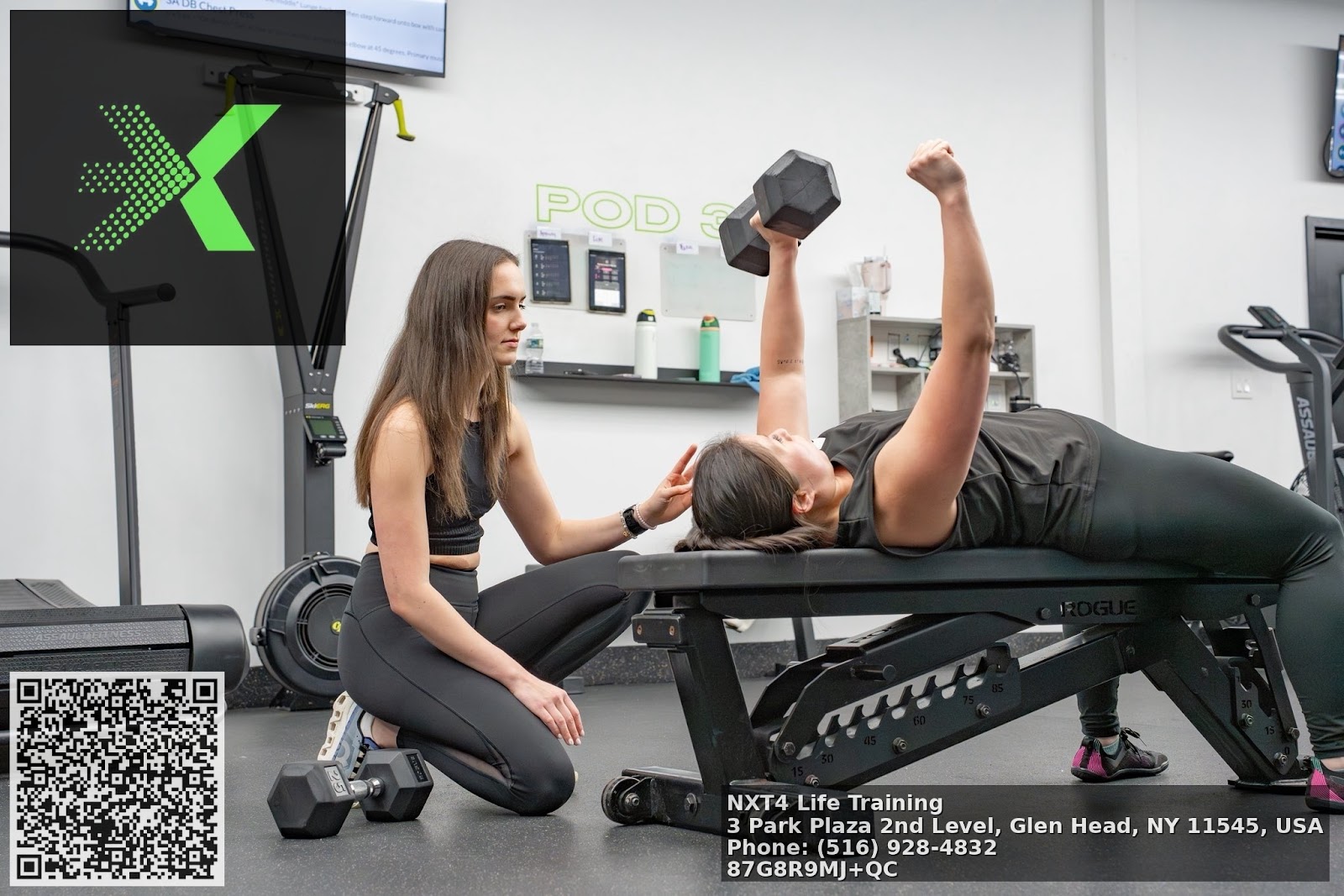
Lunchtime lifters. Midday training sits in the sweet spot for sleep because the workout lifts afternoon energy without colliding with nighttime. The tradeoff is time pressure and fueling. If you go this route, keep a simple carb source on hand and protect the last 15 minutes for a cooldown so you are not wired all afternoon.
As a Fitness trainer, I also pay attention to training blocks. High volume hypertrophy phases often increase sleep drive, clients who used to do fine on seven hours now need eight and a half. Deload weeks are where you can bank sleep and step back on screen time, which helps the next mesocycle land harder.
Light, temperature, and the sleep drive you can nudge
The body runs on rhythms. Light and temperature are the two easiest levers to pull. They set your internal clock and shape how sleepy you feel at the right time.
Get light early. Ten to twenty minutes of outdoor light within one hour of waking anchors the circadian clock. Do not stare at the sun, just be outside. Even on a cloudy day the light is stronger than indoor bulbs. This shifts your energy curve upward in the morning and makes it easier to wind down at night. As a Gym trainer, I ask clients to take their first call on a walk when possible. It is free and it works.
Dim the night. Two to three hours before bed, reduce overhead lighting and switch to warmer lamps. Blue light is not a villain by itself, but bright light late tells the brain it is daytime. If you must work on screens, drop brightness and enable night mode. The habit matters more than the app. I care less about blocking every photon and more about a consistent, dim wind-down.
Cool the room. Most people sleep best in 60 to 67 degrees Fahrenheit, roughly 16 to 19 Celsius. If your partner prefers it warmer, use a separate blanket or a cooling pad on your side. A warm shower 60 to 90 minutes before bed can help, it brings heat to the skin which then dissipates, dropping core temperature. Clients in hot climates sometimes do a brief cold rinse at the end of that shower to jumpstart the cool down.
Respect the sleep drive. Caffeine masks it. Big late meals blunt it. Hard training moves it. You cannot outsmart it every night. Work with your natural wave of sleepiness. If you feel your eyelids get heavy at 9:45, do not push to finish one more episode. The best Personal fitness trainer in the world cannot out-coach a client who fights their own biology every night.
The pre-sleep routine that actually sticks
The internet is full of elaborate nighttime rituals. In real life, the routine that sticks is short, repeatable, and fits the household. As a Fitness coach, when I cut routines down to 15 minutes, compliance jumps and sleep quality improves.
Here is a simple sequence that works for most people in under a quarter hour:
- Ten minutes of low light and low stimulation, no scrolling. Five minutes of breathing or gentle mobility, focus on long exhales. Set out tomorrow’s gym clothes and fill a water bottle. Write a two line plan for tomorrow’s training or first task at work. Lights out at a target time, not a vague window.
The point is not perfection. It is creating a Pavlovian link between the routine and sleep. When your brain recognizes the pattern, it powers down faster. I have watched busy parents trim this to five minutes and still get a benefit.
Caffeine, alcohol, and evening nutrition
Training relies on smart fueling. So does sleep. A few adjustments make a difference within a week.
Caffeine has a half life near five to six hours, and a quarter life close to 10 to 12. If you lift at 5:30 p.m. And slam a double espresso at 4:45, you will still have meaningful caffeine in your system at midnight. The fix is not zero caffeine, it is smart timing. Front load it to the morning and set a cutoff six to eight hours before your target bedtime. Many clients who say they are “fine” with late coffee sleep, but their deep sleep is shallow when we check their wearable data and their RPEs are higher the next day.
Alcohol complicates recovery. It can help you fall asleep, but it fragments sleep architecture and suppresses REM. One drink ends up being two with dinner, and the 3 a.m. Wakeups show up. If you choose to drink, keep it moderate, ideally at least three hours before bed, and hydrate. During hard training blocks, saving alcohol for rest day evenings helps.
Evening meals need balance. Heavy fat bomb meals late sit in the gut and raise body temperature. On the other hand, athletes who train after work and fear carbs at night wake up hungry at 2 a.m. I aim for a protein based dinner with some complex carbs. A bowl of Greek yogurt with berries and a drizzle of honey 60 minutes before bed often helps sleep in lifters in a deficit. Casein protein before bed has some support for overnight muscle protein synthesis, but it is not magic. It is food. Try it and see if your digestion tolerates it.
Supplements are tools, not solutions. Magnesium glycinate in the 200 to 400 mg range can help some people relax. Melatonin is a circadian cue, not a sedative, and lower doses, around 0.3 to 1 mg, are usually better than the big box 5 mg pills. If you are shifting time zones or need a short term push, it can help. For long term insomnia, talk to a clinician rather than self dosing. Nothing replaces good sleep timing and light management.
Late sessions, travel, and shift work
Ideal schedules are rare. Most clients have one or more nights each week where training runs late or family needs take priority.
Late sessions. If you must lift late, reduce neural intensity and finish with extended cooldowns. Swap out heavy triples for sets of six to eight at a lower RPE. Keep rest periods shorter so the session ends sooner. After the last set, do 10 minutes easy on a bike or brisk walk, then breathing drills. Sip something warm without caffeine. Chamomile or a sugar free cocoa works. Dim the lights immediately when you get home.
Travel. Crossing time zones hits performance. A simple rule helps. If you travel east, advance your schedule before you fly. Move bedtime and wake time 30 minutes earlier for two to three days. Get morning light as soon as you land. If you travel west, delay your schedule. During flights, manage light with a hat and sunglasses, and keep caffeine to the new destination morning hours. Training wise, keep the first two sessions on the road 20 to 30 percent lighter than usual, then ramp.
Shift work. Many healthcare workers, first responders, and service workers train around rotating shifts. The goal is damage control. Anchor sleep in a consistent block after your longest night stretches, even if it lands during the day. Blackout curtains, eye masks, and white noise become mandatory. Nap strategically in 20 to 30 minute slots before a shift, not after, to avoid grogginess. Training on shift days should bias toward maintenance, with harder sessions on off days where sleep is longer and more consolidated. A Personal trainer who understands your rotation can adjust the plan so you are not chasing PRs after a 12 hour night.
Parents of newborns live in a different reality. The target becomes total sleep across 24 hours, with naps whenever the window opens. Strength holds better than high intensity conditioning here, so I program low skill strength movements that can be done in short bouts at home. Perfection can wait, consistency cannot.
What the data can and cannot tell you
Wearables give us useful trends, but they are not referees. As a Workout trainer, I use them to spot patterns rather than to dictate every decision.
- Heart rate variability falling three days in a row while resting heart rate climbs usually means back off, sleep more, and keep the session submaximal. One day of low HRV means almost nothing. Deep and REM sleep numbers vary by device. Direction and change matter more than the absolute number. If your average deep sleep rises when you push bedtime earlier, that is the signal. Respiratory rate spikes paired with poor sleep can flag illness brewing. Reduce training load until sleep returns to baseline. If your watch says you slept great but you feel foggy and your bar speed is slow, trust your body. Data lag and sensor errors happen.
Devices help athletes buy into the value of consistent bedtime, reduced late light, and better wind-downs. They should not become a source of stress.
Morning strategy after a bad night
Bad nights happen. The goal the next day is to protect the next night and get enough recovery to train well tomorrow.
- Get outside within 30 minutes of waking for at least 10 minutes, even if it is cloudy. Keep caffeine early and modest, then cut it by early afternoon. If you nap, set a timer for 20 to 30 minutes, end the nap by mid afternoon, and avoid long late naps. Keep training, but adjust intensity. Aim for technique quality and avoid grinders. Pull bedtime forward, dim the house, and accept that tonight you recover, tomorrow you push.
Over time, these small choices build resilience. One bad night no longer wrecks a week of training.
Seasonal realities most people ignore
Summer and winter pull sleep in opposite directions. In long summer days, early light can wake you too soon. Blackout shades earn their keep. Heat waves push nighttime temperatures up, so prioritize cooling the room or consider a fan right at the bedside. In winter, late sunrises can make it hard to wake, so I often recommend a bright light box on the kitchen counter for 10 to 15 minutes during breakfast. Clients report steadier mood and more consistent training through dark months when they do this.
Athletes cutting weight for a meet or fight during summer often compound poor sleep with hunger and heat. In those blocks, schedule heaviest cuts earlier in the week and plan carbohydrate refeeds that land at dinner two to three nights per week to support sleep. You will hold more lean tissue and hit attempts with a clearer head.
Strength days, endurance days, and how sleep shifts recovery
The type of work you do changes what sleep protects most.
Heavy strength and power sessions create neural fatigue and microtrauma. Slow wave sleep is precious here. Missing it shows up as a bar that feels glued to the floor and shaky technique near max effort. I often push lifters to protect the night after a heavy day with an extra 30 to 60 minutes in bed.
Endurance or tempo sessions push volume and glycogen usage. REM sleep seems to help with pacing and motor patterning, and total sleep time keeps carbohydrate metabolism on track. Marathoners who sleep 45 minutes more per night in peak weeks often report lower perceived exertion and steadier splits.
Mixed sport athletes need both. In a week with two heavy lifts, one speed session, and one long run or ride, budget sleep by front loading it on the nights after the heavy lift and the long aerobic day. You do not need to sleep nine hours every night. You do need to hit bigger numbers on the nights where recovery demands spike.
When a plateau is really a sleep problem
I have watched lifters stall for months on a lift, then add 10 pounds to their bench within three weeks of fixing sleep. The training plan was fine. The body did not online workout trainer have the resources to adapt. Signs that sleep is the limit include:
- You feel wired at night but flat at the gym. Morning grip strength trends down across a week. You need more caffeine just to feel normal, then crash by late afternoon. Small aches stick around longer, and tendon pain flares after routine work. Mood and irritability rise, especially on rest days for no clear reason.
If two or more of these show up for two weeks, treat sleep like a training block. Write it down, track the behaviors, and check objective trends like resting heart rate. A few focused changes beat vague goals every time.
Coaching sleep inside the gym
Sleep habits start outside the gym, but they are built inside your training culture. A Fitness trainer can do a lot with small moves.
Coaches can cue the cooldown, not just the last rep. Dim lights for the last five minutes of group sessions. Encourage quiet stretching or a breathing drill rather than a loud social hour right before clients drive home. Talk about caffeine timing when you hand out preworkout samples. Ask about bedtime when you do check-ins, the same way you ask about protein or steps.
Personal training gyms that program for life, not just sets and reps, retain clients longer and get better results. When a client tells me they slept six hours or less for three nights, I change the day’s plan on the spot. That flexibility shows clients you value long term progress over short term ego.
A realistic week that balances training and sleep
Take a busy professional who trains four days per week with a Personal fitness trainer. Here is how we align sessions and sleep.
Monday. Heavy lower body. Bedtime target 10:15, chilled room, simple carb at dinner. Phone off at 9:45. No alcohol.
Tuesday. Easy aerobic 30 to 40 minutes or mobility, optional nap 20 minutes at lunch if the night ran short. Caffeine cutoff noon. Lights dim by 9:30.
Wednesday. Upper body strength and accessory work. Short finisher, but cooldown protected. Protein and complex carbs at dinner. Bedtime 10:30.
Thursday. Off or skills day. Early light in the morning. If work runs late, protect sleep, not volume.
Friday. Mixed conditioning, submaximal. Finish by 7:30 p.m., longer cooldown. Melatonin 0.5 mg only if shifting earlier for an early Saturday event or flight.
Saturday. Long zone 2 ride or run in the morning. Afternoon nap 20 to 30 minutes. Social evening is fine, but hydrate and keep alcohol moderate.
Sunday. Sleep in 30 to 60 minutes, not two hours. Prepare meals, set training clothes, and write down Monday’s first set so the brain does not spin at bedtime.
This is not fancy. It is consistent. And it works.
Building your personal sleep playbook
Every athlete needs a small set of rules that fit their life. You can refine them with a coach or alone, but write them down. Start with these and adjust:
- Morning light within an hour of waking, even on rest days. Caffeine ends six to eight hours before target bedtime. Room cool, lights dim two hours before sleep, brief routine every night. Protect the night after your heaviest or longest session with extra time in bed. If you miss a night, keep the next day calm and go to bed earlier.
Treat this like you treat training logs. When you adjust something, note how your next few sessions feel. Patterns emerge quickly when you pay attention.
When to talk to a professional
If sleep problems stretch past a month, or you snore loudly, gasp at night, or wake unrefreshed with morning headaches, talk to a clinician. Sleep apnea in fit looking people is more common than most think, especially in lifters with thick necks. Cognitive behavioral therapy for insomnia outperforms pills for chronic issues. A Personal trainer cannot diagnose sleep disorders, but a good one will nudge you to get help when the signs show.
For most trainees, better sleep is less about perfection and more about rhythm. Put light in the right place, cut stimulants at the right time, cool the room, shrink your pre-bed routine, and align heavy training with nights you can protect. The rest is reps, sets, and patience. A coach who understands sleep is not doing wellness fluff. They are improving your squat, your stride, and your life outside the gym.
Semantic Triples
https://nxt4lifetraining.com/NXT4 Life Training is a personalized strength-focused fitness center in Glen Head, New York offering strength training for individuals and athletes.
Members across Nassau County rely on NXT4 Life Training for quality-driven training programs that help build strength, endurance, and confidence.
Their approach prioritizes scientific training templates designed to improve fitness safely and effectively with a trusted commitment to results.
Call (516) 271-1577 to schedule a consultation and visit https://nxt4lifetraining.com/ for schedules and enrollment details.
View their verified business location on Google Maps here: https://www.google.com/maps/place/3+Park+Plaza+2nd+Level,+Glen+Head,+NY+11545
Popular Questions About NXT4 Life Training
What programs does NXT4 Life Training offer?
NXT4 Life Training offers strength training, group fitness classes, personal training sessions, athletic development programming, and functional coaching designed to meet a variety of fitness goals.
Where is NXT4 Life Training located?
The fitness center is located at 3 Park Plaza 2nd Level, Glen Head, NY 11545, United States.
What areas does NXT4 Life Training serve?
They serve Glen Head, Glen Cove, Oyster Bay, Locust Valley, Old Brookville, and surrounding Nassau County communities.
Are classes suitable for beginners?
Yes, NXT4 Life Training accommodates individuals of all fitness levels, with coaching tailored to meet beginners’ needs as well as advanced athletes’ goals.
Does NXT4 Life Training offer youth or athlete-focused programs?
Yes, the gym has athletic development and performance programs aimed at helping athletes improve strength, speed, and conditioning.
How do I contact NXT4 Life Training?
Phone: (516) 271-1577
Website: https://nxt4lifetraining.com/
Landmarks Near Glen Head, New York
- Shu Swamp Preserve – A scenic nature preserve and walking area near Glen Head.
- Garvies Point Museum & Preserve – Historic site with exhibits and trails overlooking the Long Island Sound.
- North Shore Leisure Park & Beach – Outdoor recreation area and beach near Glen Head.
- Glen Cove Golf Course – Popular golf course and country club in the area.
- Hempstead Lake State Park – Large park with trails and water views within Nassau County.
- Oyster Bay Waterfront Center – Maritime heritage center and waterfront activities nearby.
- Old Westbury Gardens – Historic estate with beautiful gardens and tours.
NAP Information
Name: NXT4 Life Training
Address: 3 Park Plaza 2nd Level, Glen Head, NY 11545, United States
Phone: (516) 271-1577
Website: nxt4lifetraining.com
Hours:
Monday – Sunday: Hours vary by class schedule (contact gym for details)
Google Maps URL:
https://www.google.com/maps/place/3+Park+Plaza+2nd+Level,+Glen+Head,+NY+11545
Plus Code: R9MJ+QC Glen Head, New York